
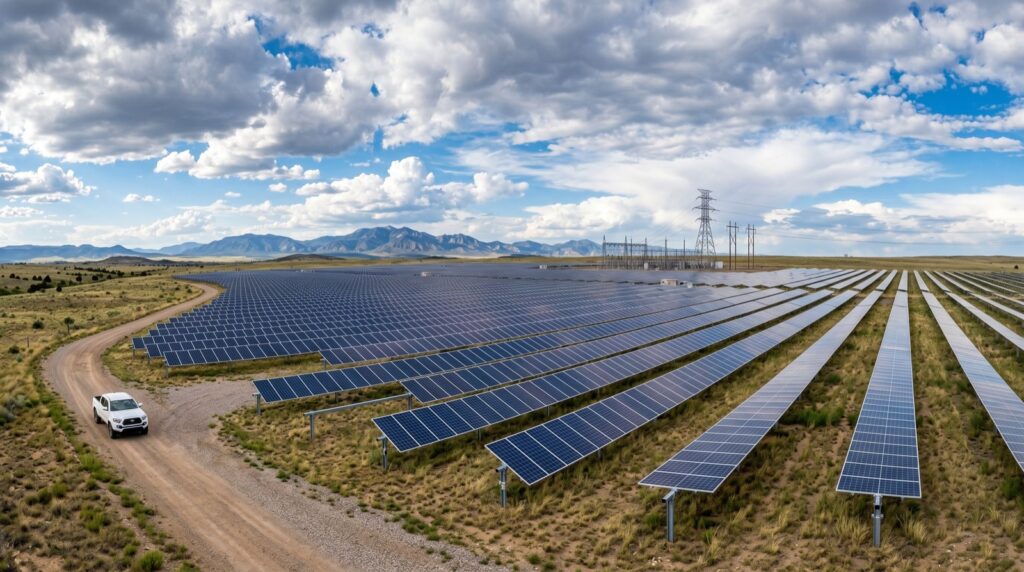
Few household upgrades have shifted from luxury to necessity as quickly as rooftop solar has in Pakistan. A decade ago, panels on a residential roof signaled either an early adopter or a homeowner with money to spare. Today, with grid tariffs climbing and load-shedding still carving holes into daily routines, a solar array reads less like a status symbol and more like basic infrastructure. The arithmetic that once looked speculative now pencils out in three to five years for most families, and that changing math is what has pushed solar into ordinary conversations at dinner tables from Lahore to Kohat.
What follows is a practical look at how a home solar system actually comes together in the Pakistani context: the components that matter, the sizing decisions that quietly determine whether you save money or waste it, the maintenance rhythm that keeps output high, and the buying habits that separate a smart purchase from an expensive mistake. None of it is complicated once the moving parts are laid out plainly, but each choice compounds, so it pays to understand the whole picture before a single bracket is bolted to the roof.
Why the economics finally make sense
The core driver behind solar adoption is simple: the cost of generating your own electricity has fallen while the cost of buying it has risen. Panel prices per watt have dropped dramatically over the past several years, even as unit tariffs from distribution companies have moved in the opposite direction. Layer in net metering, where surplus daytime generation is exported back to the grid and credited against your bill, and the payback window tightens further. For a household paying peak commercial or high-slab residential rates, the effective return on a well-sized system often outperforms conventional savings instruments, all while insulating the family from the next round of tariff hikes.
Sizing the system to your actual load
The most common and costly error is buying by instinct rather than by data. Before choosing anything, pull twelve months of electricity bills and identify your average daily consumption in units. A home that burns 30 units a day in summer needs a very different array than one drawing 12. Oversizing wastes capital on capacity you rarely use; undersizing leaves you still leaning on the grid during the very hours you hoped to escape it. Map your heavy loads too, air conditioners, water pumps, an iron, so the system is designed around real usage patterns rather than a round number a salesperson suggested.
Understanding panel quality and pricing
Not all modules are equal, and the spread in durability, efficiency, and warranty is wide. Monocrystalline panels generally deliver better output in the limited roof space most Pakistani homes offer, while the tier of the manufacturer determines how gracefully the panels age across a 25-year lifespan. Because the market is crowded with both genuine and counterfeit stock, comparing verified specifications and current rates from a trusted supplier is essential before committing.
For homeowners who want a realistic baseline before negotiating, reviewing the current solar panels price in Pakistan gives a grounded sense of what wattage tiers actually cost, so a quoted figure can be judged against the market rather than accepted on faith.
The inverter is the brain of the system
If panels are the muscle, the inverter is the nervous system, converting DC generation into the AC your home uses and, in hybrid or grid-tie configurations, managing the flow between panels, batteries, and the grid. A cheap or mismatched inverter will bottleneck an otherwise excellent array, clip production on strong days, and fail early under the thermal stress of a Pakistani summer. Match the inverter’s capacity and type to your system architecture, and prioritize models with solid surge handling if you run motors or compressors.
Since the inverter often represents the single largest quality decision in the build, it is worth watching for legitimate solar inverter deals in Pakistan that pair a reputable brand with a real warranty rather than chasing the lowest sticker on an unknown unit.
Batteries: when storage earns its keep
Batteries are where budgets balloon, so they deserve a clear-eyed decision. If your primary goal is shaving the electricity bill and net metering is available in your area, a grid-tied system without storage often delivers the fastest payback. If uninterrupted power through outages is the priority, storage becomes worth the premium, but choose chemistry deliberately. Lithium options cost more upfront yet last longer and tolerate deeper discharge, while traditional lead-acid banks are cheaper to buy and more expensive to keep replacing. Decide based on your actual outage exposure, not on worst-case anxiety.
Installation quality decides everything
A premium panel installed badly performs worse than a mid-tier panel installed well. Roof orientation, tilt angle, shading from water tanks or neighboring walls, cable sizing, and grounding all shape real-world yield. Poor mounting invites leaks and, in the worst cases, structural stress; loose DC connections are a genuine fire risk. This is precisely the stage where hiring competent installers pays for itself many times over.
Vetting the people who do the work matters as much as vetting the hardware, and homeowners who take the same care choosing a crew that they would for any major home project, treating installation like the specialized trade it is and insisting on reputable service experts, consistently end up with systems that hit their projected numbers.
Maintenance that keeps output high
Solar is low-maintenance, not no-maintenance. Dust is the quiet thief in Pakistan’s climate; a film of grime can trim output by a noticeable margin, so panels benefit from a gentle rinse every few weeks during dry spells. Inspect mounting hardware after storm season, keep an eye on the inverter’s display or app for sudden dips in generation, and check that vegetation or new construction has not introduced afternoon shade. A generation log, even a simple monthly note, makes it easy to spot a failing component before it drags the whole system down.
Buying smart in a noisy market
The solar market rewards patient buyers and punishes impulsive ones. Insist on itemized quotes so you can see what portion of the price is panels, inverter, structure, wiring, and labor rather than a single opaque figure. Confirm warranty terms in writing and verify that the seller will honor them locally. Ask for references from installations at least a year old, because a system’s second summer tells you far more than its first week. Above all, resist pressure to close quickly; a reputable supplier will let the numbers do the persuading.
Key Takeaways
- Size the system from twelve months of real consumption data, never from a salesperson’s round number.
- Panel tier and inverter quality are the two decisions that most affect long-term output and lifespan.
- Add batteries only when outage protection genuinely outweighs the steep cost premium.
- Installation craftsmanship determines whether premium hardware ever reaches its rated performance.
- Routine dust cleaning and generation monitoring protect years of expected savings.
- Itemized quotes, written warranties, and older references separate solid suppliers from opportunists.
A grounded final word
Home solar in Pakistan has crossed the line from experiment to sensible default, but the difference between a system that delights and one that disappoints comes down to unglamorous diligence, honest sizing, quality components, careful installation, and steady upkeep. Treat the purchase as the multi-year infrastructure decision it truly is, compare real market prices before you commit, and lean on people who know the trade. Do that, and the roof over your family becomes a quiet, reliable engine that keeps paying you back long after the installers have packed up and gone home.